Gate and installation planning
Planning Fence Gates: Access, Placement and Estimate Questions
By Fleming Fencing ·
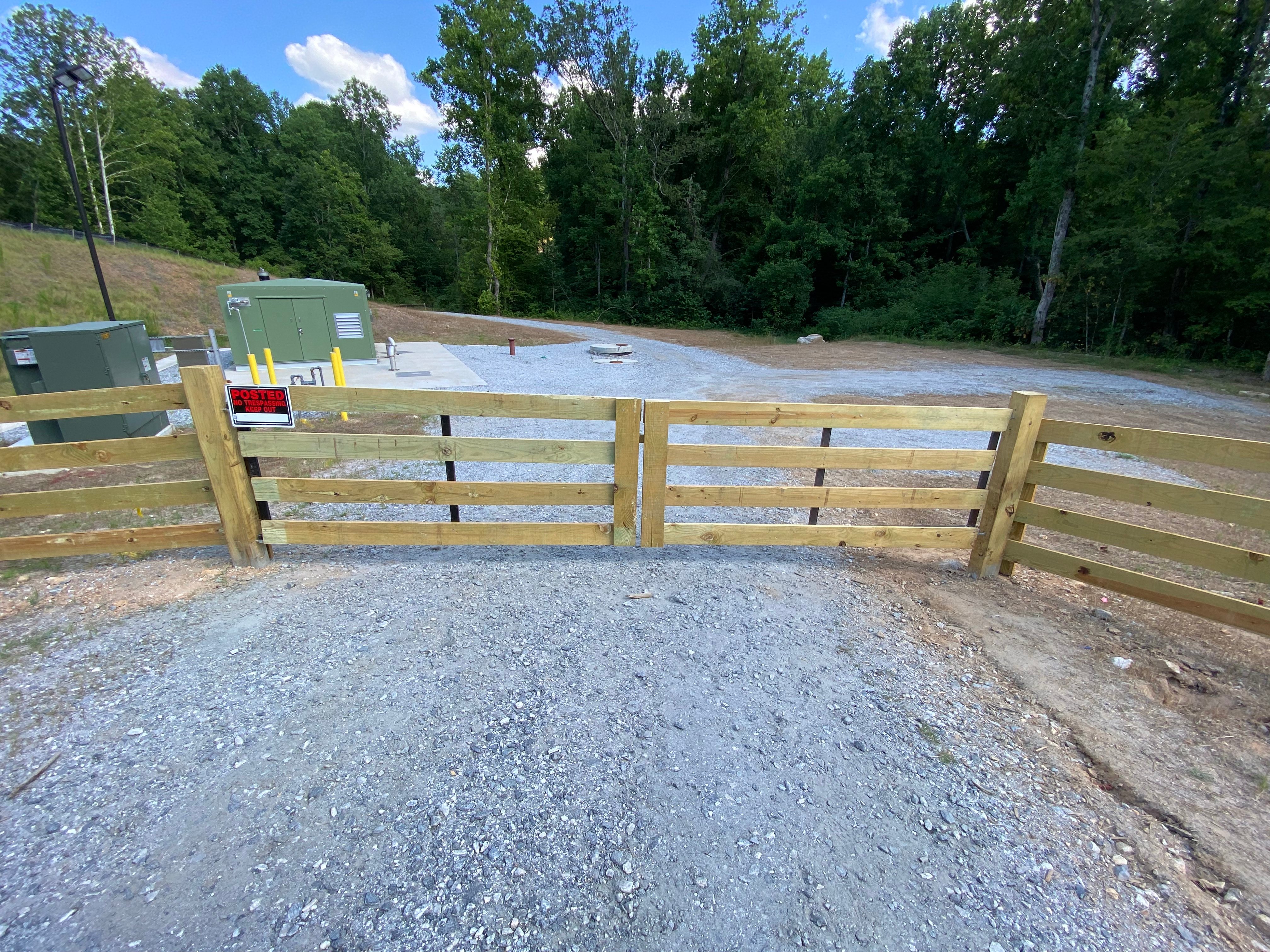
Where should the gates go in a new fence? Start with the trips you make through the yard, not just the drawing of the perimeter. A useful gate plan explains who needs access, what needs to pass through, and where that movement starts and ends. This guide helps homeowners in Dawsonville, Cumming, Dahlonega, and nearby North Georgia prepare those details before requesting an estimate.
Map everyday access and occasional access separately
List the routes you use now: walking from the driveway to the back door, taking bins out, moving a mower, or reaching a garden. Mark your preferred openings on a simple sketch. It does not need to be a measured construction plan; label uncertain distances rather than presenting them as exact.
Next, think about less frequent access. A future landscaping project, equipment delivery, or maintenance visit may use a different route. Tell the estimator which needs are definite and which are only possibilities. That makes it easier to compare a daily walk gate with a separate equipment opening without automatically adding gates you do not need.
Ask about usable clearance, not just a gate label
Write down the widest equipment you expect to move through the opening, including attachments in the position used for access. Share the equipment model or its manufacturer’s dimensions if you have them. Ask the installer to confirm usable clearance for the proposed gate and hardware, rather than assuming the named gate size answers that question.
Manufacturer dimensions are product-specific. For example, Trex’s gate information distinguishes clear opening between posts and offers different single and double configurations. Those figures describe its own systems; they are not universal dimensions for a wood or metal gate. Have your estimate identify the intended opening and gate configuration for your actual project.
Discuss the approach and the space around the gate
An opening is only part of the route. Show the estimator where equipment will approach from, where it needs to turn, and what is immediately beyond the fence. Include nearby walls, steps, trees, parked vehicles, and storage areas in your photos. Ask whether the proposed location works for the whole journey.
Discuss the preferred swing direction and have the installer assess the ground and surrounding space before choosing the layout. Ask how a change in grade affects the proposed gate and whether a different position or configuration should be compared. This is a planning conversation, not a reason to level ground, move a post, or adjust an unstable gate yourself.
Bring site information before finalizing post locations
Share any survey, boundary documentation, easement information, or HOA requirements you already have. Ask which additional checks are needed for your property and intended fence use before accepting a final layout. This guide does not establish permit requirements, property boundaries, or pool-barrier compliance.
Digging for gate posts also needs utility planning. Georgia 811’s published process says to submit a ticket at least three business days before digging, wait for marking, and check the utility responses online. It also says missing responses or visible signs of an unmarked utility need further attention before digging. Confirm who will handle that process for the job; a proposed installation date is not confirmation that locating is complete.
Send a useful gate-estimate request
Take photos from safe, accessible positions: one showing the intended opening and another showing the approach on each side. Include existing fence and gate details if the project connects to them. Do not force a damaged gate open to get a better picture.
- Your city or ZIP, and whether this is a new fence, added gate, or replacement.
- The people, pets, vehicles, or equipment that need access.
- Preferred gate locations, material, and single or double configuration if known.
- Equipment dimensions or model information, plus any uncertain measurements.
- Site photos, available property documents, and questions about the proposed scope.
Compare written scopes before deciding
Ask the estimate to identify the opening, gate material, supporting posts, hardware, removal if needed, and any exclusions. Keep optional work separate so you can compare choices. Confirm project timing and payment terms directly rather than assuming them from a general service page.
Fleming Fencing installs and repairs wood and metal gates across North Georgia. Use the existing quote form to share your city, photos if available through your chosen contact method, and the access problem you want to solve. Start with a clear question: where should the gate go, and what must it let through?